EQUINE MASSAGE

MASSAGE SERVICE AVAILABLE THROUGHOUT GREATER SALT LAKE CITY AND SURROUNDING AREAS

Equine Massage Park City UT

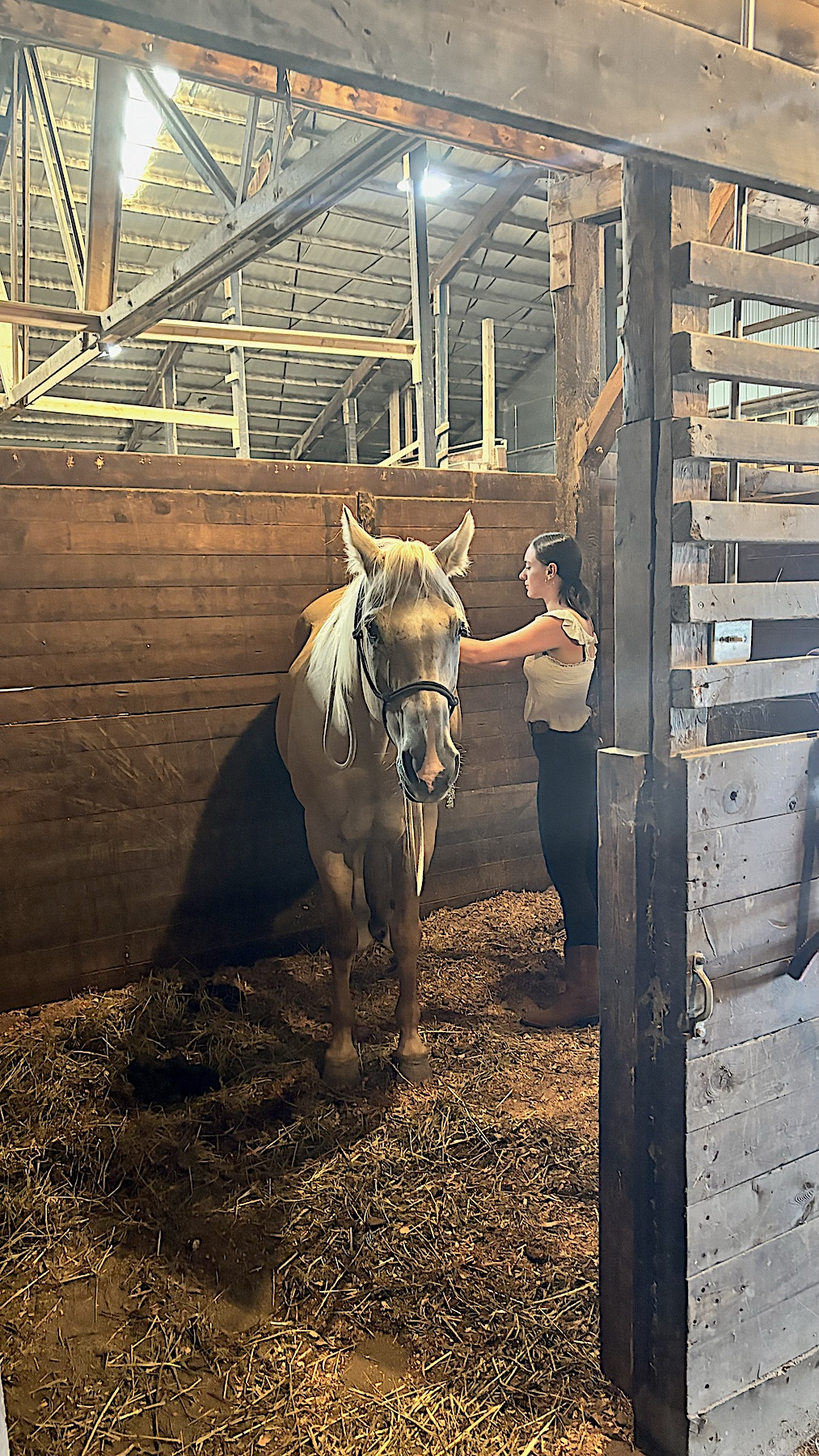
At Western Blue Bodywork, we specialize in providing professional outcall equine massage services designed to support the health, performance, and overall well-being of your horse – right at your location.

Whether your horse is an athlete in training, recovering from an injury, or simply in need of relaxation and relief, our mobile massage service brings expert care directly to your barn or stable.

With a focus on individualized treatment and gentle, effective techniques, we aim to enhance your horse’s comfort, mobility, and quality of life in the environment they know best.

For outcall prices and inquiries, please Email Us or Text us at 801.610.6116

Do you agree to receive text messages from Western Blue Bodywork from phone number (801) 610-6166. Message frequency varies and may include: Account Notifications, Scheduling Messages, & Promotional Messages. Message and data rates may apply. Opt-out at any time by replying STOP or CANCEL. For assistance reply HELP or contact support at (801) 610-6116
Text Message Opt-In Form:

Here Are Some Frequently Asked Questions Related To Equine Massage:

What is equine massage (bodywork)?

Equine massage is the skilled manipulation of your horse’s muscles, fascia, tendons, and ligaments to promote relaxation, improve mobility, and support healing. Techniques may include gentle strokes, deep tissue work such as cupping therapy or blading, myofascial release, trigger point work, stretching, and joint mobilization. The goal is to reduce tension, increase circulation, and help your horse move and feel better!

Why would a horse benefit from massage or bodywork?

Regular bodywork can improve circulation of blood and lymph, release muscular tension, increase flexibility and range of motion, enhance soft-tissue recovery after work or competition, prevent compensatory issues caused by minor imbalances, and help calm the nervous system to reduce stress. Whether your horse is in heavy training, light work, retired, or a companion animal, massage can support longevity, comfort, and performance.


How frequently should my horse have bodywork?

Frequency depends on your horse’s age, health, workload, and history. A general guideline for performance horses is every 4–8 weeks. Horses with chronic imbalances or injury histories may benefit from more frequent sessions initially, then taper to maintenance. Horses in light work may only need quarterly or seasonal sessions.


What should I expect during the initial evaluation and treatment?

A typical session begins with a brief intake involving history of your horse’s training, temperament, health, and any concerns you may have. The practitioner may observe your horse’s movement to detect asymmetries, then palpate muscles to identify tension or soreness. Treatment involves warming techniques, massage, myofascial release, stretching, and other methods as needed. Afterward you’ll receive recommendations for rest, exercise, or follow-up care. Sessions generally last about an hour to an hour and a half.


Will my horse be sore after a session?

Some horses feel mild soreness similar to how people feel after a moderate workout, especially if deep tissue work or long-held adhesions were released. Others feel immediate relief and relaxation. To help the tissues settle, light work or turnout for 24–48 hours is often recommended before resuming full work. Keeping water readily available during and immediately after the session is imperative for recovery, just as it is for humans.


When can my horse be ridden or worked after a session?

If the session was light, riding later that day may be fine. For deeper treatments it’s safer to wait 24–48 hours before resuming full work. In show or competition settings, many owners schedule treatments several days in advance so the horse has time to adapt.


Are there times when I shouldn’t use massage or bodywork?

Yes. Massage is not appropriate during acute injuries, fever, infection, colic, open wounds, or undiagnosed lameness. Horses under veterinary care for certain conditions should be cleared by their vet first. Your practitioner will help you determine if it’s safe.


Can massage or bodywork diagnose lameness or medical conditions?

No. Massage does not replace veterinary medicine and practitioners do not diagnose or prescribe. If something raises concern, you’ll be referred to your veterinarian.


Should the entire horse be treated if only one muscle seems sore?

Yes. A sore area may be a symptom of something happening elsewhere. Treating the whole body helps restore balance and prevent compensatory strain.


What training or qualifications should a bodyworker have?

Because equine massage isn’t regulated everywhere, look for someone with formal training or certification in equine anatomy and massage, insurance, and a willingness to coordinate with your veterinarian. Ask about their education, references, and continuing education.


How should I prepare for a session?

Schedule during a quiet time away from feeding or turnout changes. Make sure your horse is clean and dry, provide a safe flat area to work, and be ready to share your horse’s history and goals. Having a handler present for initial sessions can also be helpful and is recommended.


How will my horse respond to treatment?

Most horses relax during a session, lowering their head, licking, chewing, or yawning. Some may be a little sensitive at first, especially if it is their first time receiving massage. Improvements in gait, range of motion, and demeanor often appear over the next day or two. Horses with chronic issues may need multiple sessions to unlock deeper patterns.


How many treatments will my horse need?

This depends on the horse and its condition. Some do best with a series of three or four sessions spaced a week or two apart, then maintenance every four to eight weeks. If after several sessions there’s little change, it may be time to reassess saddle fit, farrier balance, or veterinary evaluation.


Can bodywork be done right before or after a competition?

Yes, with planning. Before a competition many owners schedule treatment three or four days in advance so the horse has time to adjust. Immediately after performance a light recovery session may help, but deeper work should wait until the horse has cooled down.


Do all breeds and ages of horses benefit from massage?

Yes. From high-performance athletes to lesson horses, seniors, and even young horses, massage can support comfort, movement, and quality of life.


Can tools like massage guns be used safely on horses?

They can be helpful but must be used with care. Many practitioners prefer manual techniques for greater feedback and safety. Only someone educated in equine anatomy and contraindications should use percussive tools on a horse. At Western Blue, our equine bodyworker may offer tools such as cupping or blading, but we currently do not offer the use of massage guns.


How do I cancel or reschedule an appointment?

Communicate any changes as early as possible. At Western Blue, we allow rescheduling with no penalty if done more than 48 hours in advance, but charge a fee for late cancellations or no-shows. 


What makes Western Blue Bodywork’s equine massage unique?

At Western Blue Bodywork, equine massage goes beyond technique – it’s a practice grounded in deep respect for the horse as a sentient, intuitive being. Each session blends advanced modalities like cupping therapy and blading with an attentive, intentional approach that honors the horse’s individuality. Working with horses is more than a job; it’s a sacred privilege. That mindset is at the heart of every interaction, ensuring your horse receives not only physical relief but also compassionate, present care.